Affordable Car Shipping to Angola (Luanda and Lobito)
Ascope Shipping provides car shipping to Angola from the UK for private owners, vehicle dealers, businesses and customers relocating overseas. With more than 15 years of international shipping experience, we arrange the transport of cars, 4x4s, vans, trucks, buses and other self-propelled vehicles to Angola, with shipping options available to Luanda and Lobito.
Whether you are exporting one vehicle or several, we can help you choose between RoRo and containerised vehicle transport based on the vehicle type, condition, dimensions, value and your preferred level of protection. Our team coordinates the UK collection, export arrangements, shipping documentation and freight booking, keeping you informed throughout the process.
RORO CAR SHIPPING TO ANGOLA (LUANDA AND LOBITO)
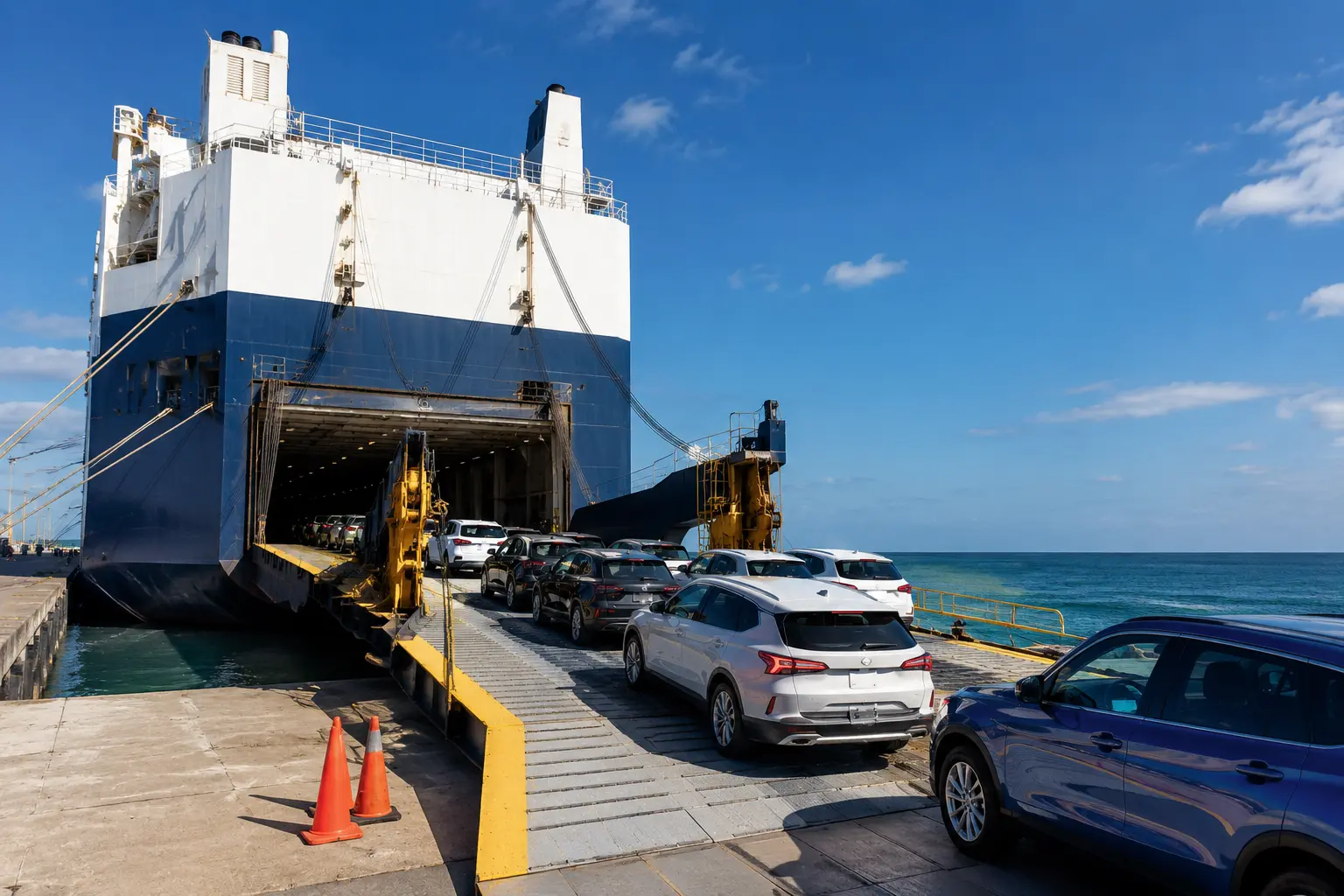
The Roll-on/Roll-off (RoRo) method is an economical way to ship cars (saloons and 4x4s), vans, minibuses, buses, trucks, tractors, agricultural machinery, and plant equipment to Luanda and Lobito ports. RoRo is generally most suitable for operational, self-propelled vehicles that can be safely driven or moved on and off the vessel.
We arrange RoRo export shipping for new and used vehicles from the UK, subject to the applicable destination requirements and shipping-line acceptance. Door-to-port and port-to-port options may be available depending on the vehicle, collection location and sailing schedule. Your vehicle can be collected from your UK address or delivered to the nominated export port, depending on the service selected.
Sailing availability and departure frequency can vary by port, shipping line and vessel schedule, so we confirm the available sailing and estimated transit time when preparing your quotation rather than guaranteeing a fixed weekly departure.
CONTAINER CAR SHIPPING TO ANGOLA (LUANDA AND LOBITO)
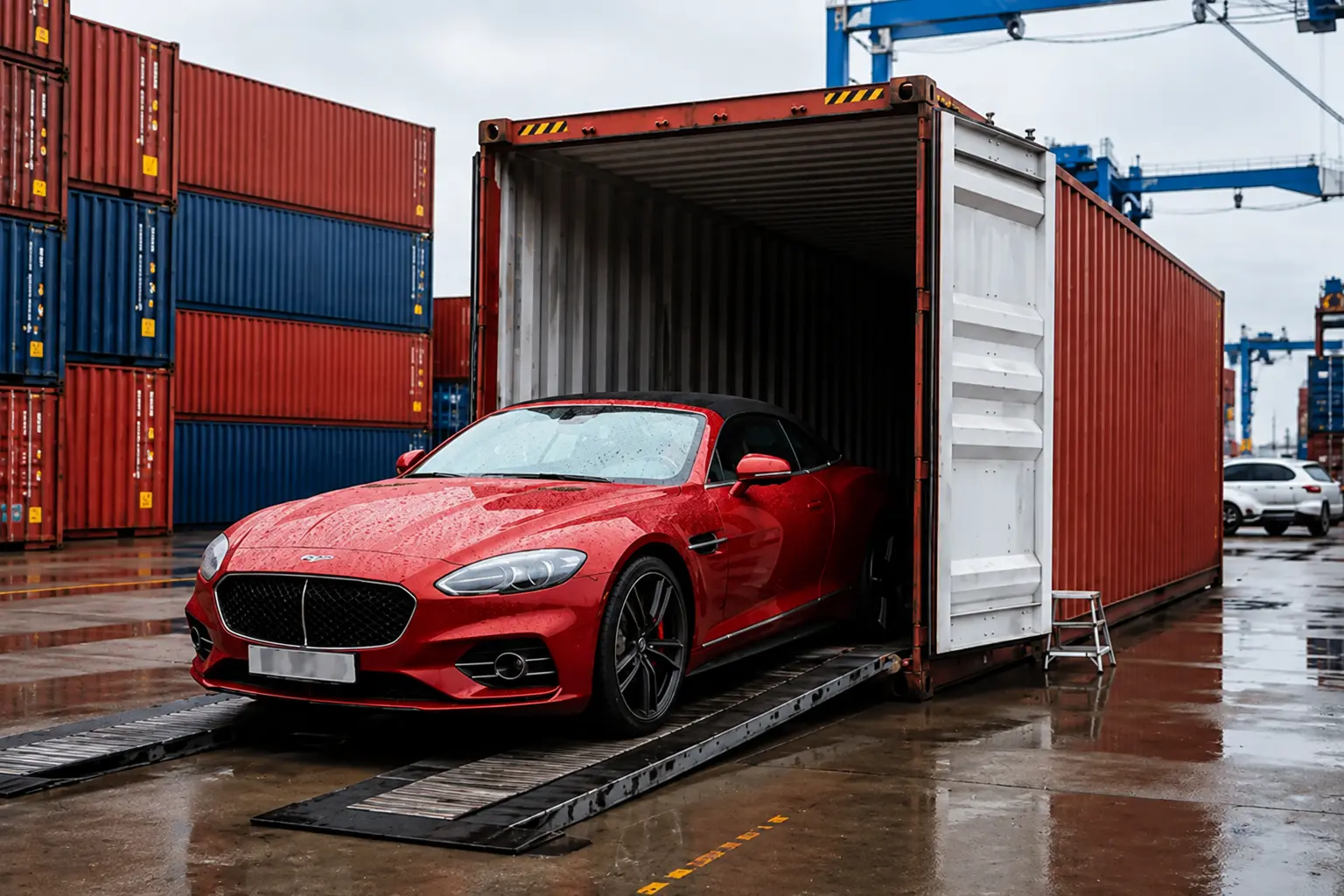
Prefer extra protection for your vehicle during the journey to Angola? Container shipping loads your car securely inside a 20ft or 40ft container rather than driving it onto an open vessel, guarding against weather and handling damage throughout transit. This method suits high-value vehicles, classic cars, or shipments combined with personal belongings, where extra security matters most. We offer both door-to-port and port-to-port options, with loading and lashing available at our Essex warehouse or your preferred location. See full container pricing and options on our container shipping to Angola page.
Car Shipping to Angola Costs
At Ascope Shipping, we understand the importance of cost-effectiveness when it comes to international shipping. Our negotiated shipping rates and high volumes allow us to offer competitive quotes for exporting your car to Angola. We’re recognised as one of the UK’s leading international shipping companies, and our expertise ensures you receive strong value on every shipment.
PRICES FOR SHIPPING TO ANGOLA (LUANDA AND LOBITO)
| Vehicle Type | RO/RO Prices | Container Costs |
|---|
| Saloon Vehicle e.g. Peugeot 406 | £1120 | Enquire (20ft cont) |
| 4×4 Vehicle e.g. Freelander | Enquire | Enquire (20ft cont) |
| Vans e.g. Mercedes Sprinter | Enquire | Enquire (20ft cont) |
| 2 cars (saloon / 4×4) | Enquire | Enquire (40ft cont) |
Car Shipping from the UK to Angola: Route & Transit Time
Transit times depend on the departure port, destination, shipping method, vessel schedule, transhipment arrangements and port handling.
| UK Departure Port | Angola Arrival Port | RoRo Transit | Container Transit |
|---|
| Southampton | Luanda | 20–25 days | 22–26 days |
| Liverpool | Lobito | 23–28 days | 25–30 days |
| Sheerness | Luanda | 21–26 days | 23–28 days |
| Tilbury | Luanda | 20–25 days | 22–27 days |
Ascope Shipping confirms the available departure port, destination port and estimated transit time when preparing your quotation, based on the current shipping schedule and your vehicle’s requirements.
UK Ports for Car Shipping to Angola
We ship regularly from major UK export ports:
- Southampton
- Liverpool
- Sheerness
- Tilbury
The most suitable departure port depends on your vehicle’s collection location, the available sailing and the overall shipping arrangement. Our team confirms the available option when you request a quote.
Vehicle Import Requirements for Angola
Before shipping a vehicle to Angola, it is important to check that the vehicle is eligible for import and that the required authorisation and documentation are in place. Angolan transport authorities regulate the importation of new and used vehicles, and requirements can vary according to vehicle type and importer.
Current ANTT guidance states that an authorisation to import road vehicles is required for new or used vehicles for personal or corporate use. The published requirements include the applicant’s NIF, vehicle photographs, the vehicle technical specification sheet, a proforma or purchase invoice, and registration evidence for a used vehicle.
Used Vehicle Age Requirements
Do not rely on the old “10-year” rule previously shown on this page. Current ANTT information states that used light vehicles are subject to a maximum age of five years, while used heavy vehicles have a maximum age of eight years, calculated under the applicable Angolan rules.
Because import legislation and enforcement requirements can change, customers should confirm the eligibility of their specific vehicle with the relevant Angolan authority before booking shipment.
DOCUMENTS FOR VEHICLE IMPORT TO ANGOLA
Depending on the vehicle and import circumstances, documentation may include:
- Vehicle registration documentation
- Proof of ownership or purchase documentation
- Vehicle technical specification sheet
- Vehicle photographs and identification-plate information
- Import authorisation where applicable
- NIF or other importer identification
- Commercial/proforma invoice
- Bill of Lading
- Additional customs or regulatory documents where required
ANTT’s current vehicle-import guidance specifically lists the NIF, vehicle photographs, technical specification, proforma or purchase invoice and registration evidence for used vehicles as part of the import-authorisation process.
Documentation for Car Shipping to Angola
Getting your paperwork right the first time avoids costly delays at the port. Alongside the vehicle-specific documents above, we guide you through every form and certificate needed, checking everything before your car leaves the UK so nothing gets missed.
Customs Clearance Process
- All shipments are subject to inspection by Angolan customs authorities
- Import duties and taxes are calculated based on the CIF (Cost, Insurance, and Freight) value
- Customs clearance can take 7 to 14 business days, depending on the type of goods and documentation provided
IMPORT TAX AND DUTIES IN ANGOLA
Import duties and taxes are payable once your vehicle reaches Angola, calculated on the CIF value. Rates vary depending on vehicle type, age, and specification, so it’s worth checking current figures before shipping rather than relying on estimates that could be out of date.
DVLA NOTIFICATION
If you’re exporting your vehicle permanently from the UK, you’re required to notify the DVLA that the car is leaving the country. This is an important UK export step for a vehicle being permanently taken out of the country, and customers should complete the appropriate DVLA notification before departure.
MARINE INSURANCE FOR CAR SHIPPING TO ANGOLA
We recommend marine cargo insurance when the value of the vehicle makes additional transit protection appropriate. Coverage depends on the policy, terms, conditions, exclusions and insured value, so customers should review the policy before shipment.
HOW TO PREPARE YOUR VEHICLE FOR SHIPPING TO ANGOLA
Proper preparation reduces the risk of delays during inspection and loading.
Before your vehicle departs the UK, make sure to:
- Clean the vehicle thoroughly, inside and out
- Remove all personal belongings
- Leave the fuel tank below a quarter full for safety during transit
- Check that the vehicle is in full working order, since a non-running car may require container shipping rather than RoRo
- Keep spare keys ready to hand over at collection
- Have your documentation organised and easily accessible for customs officials and port staff
Also check the vehicle condition before collection and photograph the exterior and interior. Keeping a record of the vehicle’s condition can be useful when documenting its handover for international transport.
PROHIBITED AND RESTRICTED ITEMS
- Firearms and ammunition (require special permits)
- Narcotics and illegal drugs
- Pornographic materials
- Counterfeit goods
- Certain plant and animal products
It’s important to note that import regulations can change, and additional requirements may apply depending on the specific items being shipped. We recommend contacting our team for the most up-to-date information and guidance on importing your vehicle to Angola.
RESTRICTED ITEMS FOR CAR SHIPPING TO ANGOLA
Vehicles should not be used as a means of transporting prohibited or undeclared goods. Shipping-line safety rules and customs regulations can restrict what may remain inside a vehicle during international transport.
Restricted items include:
- Flammable liquids
- Hazardous materials or chemicals
- Weapons or illegal items
- Undeclared household goods
Removing restricted items ensures compliance with international shipping safety regulations and smooth customs clearance in Angola.
How Ascope Shipping Supports Vehicle Exports to Angola
Ascope Shipping focuses on vehicle transport rather than treating every shipment as general cargo. With more than 15 years of international shipping experience, our team helps customers select an appropriate shipping method, prepare the required information and coordinate the movement of the vehicle from the UK.
Our Angola service is suitable for private vehicle owners, dealers, exporters, businesses and customers relocating overseas. Whether you are shipping a saloon, 4×4, van, truck, bus or other eligible vehicle, we can discuss RoRo and container options based on the vehicle and shipping requirements.
Our aim is to provide clear pricing, practical guidance and straightforward communication rather than making unsupported promises about fixed sailing schedules or delivery dates.