

Ascope Shipping provides reliable container shipping to Africa from the UK for individuals, families, businesses, exporters and organisations. With 15+ years of international shipping experience, we arrange sea freight for household goods, personal effects, commercial cargo, machinery and other eligible goods to destinations across Africa.
Whether you are relocating, sending household belongings, exporting commercial goods or moving a larger shipment, we can arrange FCL and LCL container solutions based on your cargo volume, destination and budget.
Our team has successfully handled international shipments from the UK to destinations across Africa, helping customers move goods through major UK ports and onward to African destinations.
Container shipping involves more than simply booking space on a vessel. Your shipment may require export documentation, packing or loading arrangements, customs information, port handling and coordination with the destination side. Our team helps you understand these requirements before your shipment moves.
We offer flexible door-to-port and port-to-port container shipping services, allowing you to choose the option that best suits your shipment and collection requirements.
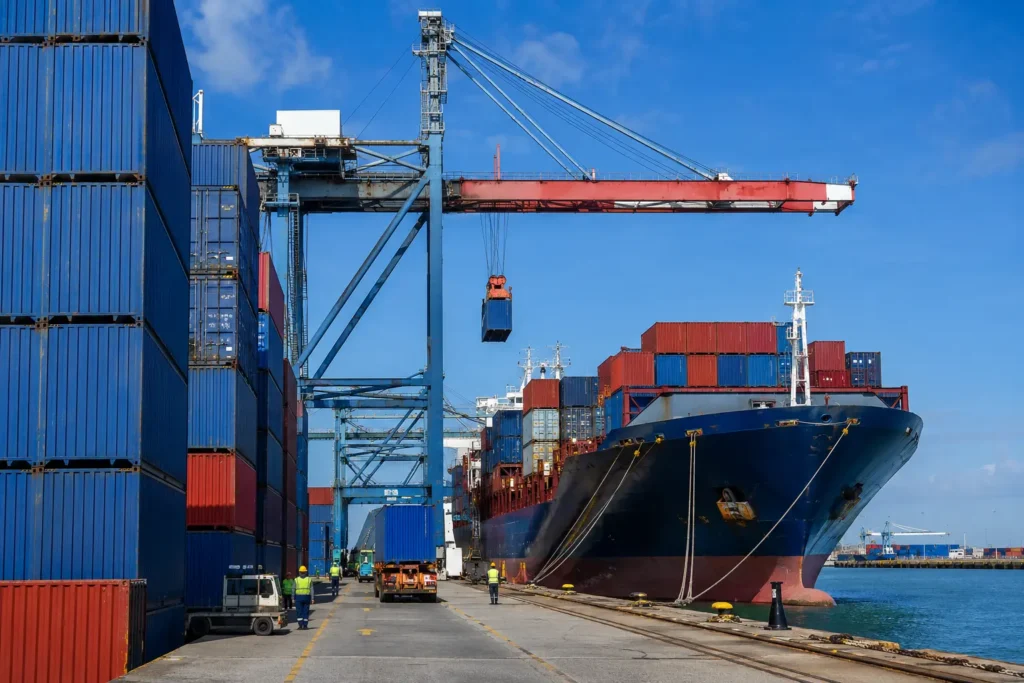
The cost of container shipping depends on the volume and type of cargo, container size, departure port, destination, shipping method and current ocean freight rates. Rather than offering one generic Africa-wide price, we provide quotations based on the details of your actual shipment.
We can arrange container freight to destinations across West Africa, East Africa, Southern Africa and North Africa, subject to current sailing schedules and destination requirements. For businesses or individuals shipping smaller quantities, LCL groupage can help avoid paying for an entire container. For larger shipments, FCL can provide exclusive use of a 20ft or 40ft container. For wider international container services, you can also explore our Container Shipping from the UK to Worldwide Destinations service.
With more than 15 years of experience in international shipping, Ascope Shipping understands the practical requirements involved in moving cargo from the UK to overseas destinations. Our team works with individuals, families and UK businesses and can help you select a suitable shipping option based on the size, type and destination of your cargo.
International exports require accurate documentation and compliance with the relevant rules for the destination country. We can guide you through the shipping documentation required for your shipment, including commercial invoices, packing lists, export declarations and Bills of Lading where applicable.
Destination-country rules can vary, so exporters should always check the latest customs requirements, duties, restrictions and documentation before shipping. The UK government provides guidance on checking export rules, duties and customs procedures for goods leaving the UK.
We arrange 20ft and 40ft container shipping for suitable FCL shipments, while LCL groupage is available for cargo that does not require a full container. Your cargo can be loaded and secured according to its type, size and handling requirements before the container is moved for export. The correct loading and packing method is important because cargo can be exposed to movement, handling and changes in conditions during a long international sea journey.
We offer flexible options depending on your cargo and collection requirements:
With door-to-port service, your cargo can be collected from an agreed UK address and transported to the selected destination port in Africa.
This option can be useful for customers who want assistance with the UK transport stage rather than arranging delivery to the port themselves.
With port-to-port shipping, you arrange delivery of your cargo to the agreed UK loading point or port, while we arrange the international sea freight to the destination port.
This can be a practical option for businesses and customers who already have suitable transport arrangements in the UK.
Choosing between FCL and LCL shipping depends mainly on how much cargo you need to move.
FCL gives you the use of an entire shipping container for your cargo.
It can be suitable for:
FCL is generally the better option when your cargo is large enough to make effective use of a full container.
LCL, also known as groupage, allows smaller shipments to share container space with cargo belonging to other customers.
It can be suitable for:
Instead of paying for an entire container, you pay for the space your cargo occupies, making LCL a practical option for smaller shipments. For a more detailed comparison of sea freight options, our UK to West Africa Sea Freight Rates and FCL vs LCL guide provides additional information on FCL, LCL and route-specific transit times.
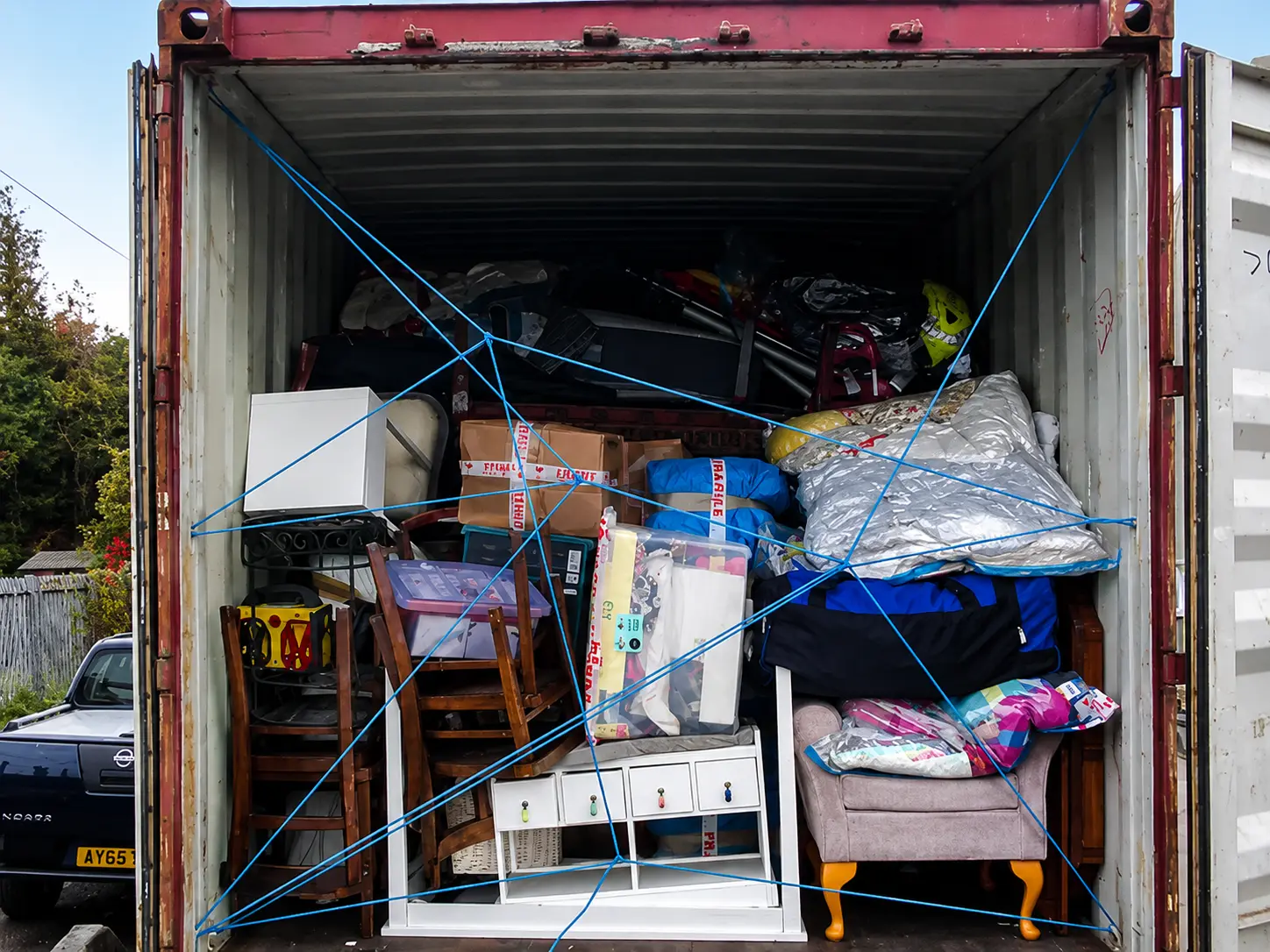
Different cargo types require different container solutions. We can advise on the most suitable container according to your cargo dimensions, weight, loading requirements and destination.
Standard dry containers are commonly used for household goods, personal effects, boxed goods, pallets and general commercial cargo.
High cube containers provide additional internal height and can be useful when your shipment contains bulky goods or requires more vertical space.
Open top containers can be considered for certain types of machinery, equipment or oversized cargo where loading through standard container doors may not be practical.
Some shipments require additional consideration because of their weight, dimensions, shape or handling requirements. Contact our team before booking if you are shipping machinery, oversized cargo or unusual goods.
Container shipping is a popular option for families and individuals relocating from the UK to Africa. Depending on the amount of goods you need to send, you may choose a full container or shared LCL space.
Typical household shipments may include:
Before packing, check whether any goods are restricted or require special documentation. Some items may also be subject to destination-country customs rules, duties or import restrictions.
Businesses can use container shipping to move commercial goods, stock, equipment and other cargo from the UK to African markets.
We can assist with shipments involving:
For commercial exports, accurate cargo descriptions, invoices, packing information and export documentation are particularly important. Providing complete shipment information at the quotation stage can help reduce avoidable delays later in the process.
There is no single fixed price for container shipping to Africa because rates vary according to the shipment and route. The main factors affecting your container shipping cost include:
| Cost Factor | Why It Matters |
|---|---|
| Container size | 20ft and 40ft containers have different capacities and rates |
| FCL or LCL | Full containers and shared groupage are priced differently |
| Cargo volume | LCL pricing is commonly affected by the amount of space used |
| Destination port | Freight rates vary between African ports |
| UK departure port | Port location and sailing availability affect the quote |
| Cargo type | Some goods require specialist handling |
| Collection service | UK collection adds transport costs |
| Documentation | Export and customs requirements can affect overall costs |
| Destination charges | Local port, customs and handling charges may apply |
The most accurate way to calculate your container shipping cost is to provide your UK collection location, destination country or port, cargo type and approximate volume. We can then prepare a shipment-specific quotation.
A 20ft container is often suitable for smaller household moves, personal effects and moderate commercial shipments, while a 40ft container provides considerably more internal space for larger consignments.
The actual amount you can load depends on the dimensions, weight, shape and packing method of your goods. Heavy cargo may reach the container’s safe weight limit before the available volume is fully used. For LCL shipments, you do not need to fill a complete container. Your cargo can share container space with other consignments, with pricing based on the space or volume used.
We arrange container shipping to destinations across several African regions, subject to current shipping schedules and route availability.
Destination availability, port options and transit times can vary. If your destination is not listed, contact us with the country and preferred port and we can check the available shipping options.
For smaller household shipments, LCL groupage can be a cost-effective alternative to booking a complete container. You pay for the space your cargo uses rather than reserving an entire container.
For larger household moves, FCL can provide exclusive container space and may become more economical when your shipment volume is high enough to justify a full container.
The cheapest option is therefore not always the same for every shipment. Your cargo volume, destination, collection requirements and sailing schedule should all be considered before choosing FCL or LCL.
We arrange container shipping from major UK ports according to the available route and sailing schedule. Depending on the destination, suitable departure ports may include London Gateway, Tilbury, Southampton, Liverpool and other UK ports.
Typical sea freight transit times to Africa can range from around 14 to 30 days, but the exact journey depends on the destination, shipping route, vessel schedule and whether transhipment is required. For additional information about choosing a suitable departure point, see our UK Ports for International Cargo Shipping guide.
| Destination / Region | Typical Sea Transit |
|---|---|
| Ghana – Tema | Approximately 16–24 days |
| Nigeria – Lagos | Approximately 18–28 days |
| Ivory Coast – Abidjan | Approximately 18–26 days |
| Senegal – Dakar | Approximately 20–30 days |
| Kenya – Mombasa | Approximately 21–28 days |
| Tanzania – Dar es Salaam | Approximately 20–26 days |
| South Africa – Durban | Approximately 24–30 days |
These are indicative sea transit estimates rather than guaranteed delivery dates. Port congestion, vessel schedules, transhipment, customs procedures and other operational factors can affect the overall shipment time.
Good preparation can help make loading and export easier. Before your shipment is collected or delivered to the loading point, make sure your goods are properly packed, labelled and documented.
We recommend:
If you are unsure how your cargo should be packed or loaded, speak to our team before the container is booked.
Exporting goods from Great Britain requires compliance with UK export procedures, while the destination country may have its own customs duties, restrictions, permits and import requirements.
Typical shipping documentation may include:
Requirements depend on the goods being shipped and the destination country. We recommend checking the latest official requirements before your shipment leaves the UK. The UK Government’s official export guidance explains the steps involved in exporting goods from Great Britain, including checking destination rules and required licences.
Container shipping does not automatically mean that customs clearance, destination taxes, import duties and local charges are included in the ocean freight price.
Your quotation should clearly identify what services are included and which destination charges may be payable separately. This is why we recommend providing complete shipment information before requesting a final quote. If you are moving household goods, commercial cargo or personal effects, tell us exactly what you are shipping so we can advise you on the most appropriate service.
Ascope Shipping supports individuals, families and businesses arranging international shipments from the UK. Our focus is on providing practical shipping solutions, clear communication and assistance with the documentation and logistics involved in international sea freight.
With 15+ years of experience, we understand that every shipment is different. Whether you need LCL groupage for a smaller consignment or an FCL container for a larger shipment, our team can help you choose a suitable option for your cargo and destination.
Ready to ship? Contact Ascope Shipping today for your free container shipping quote to Africa. Our friendly team is here to guide you through every step from booking and documentation to customs clearance and delivery.
Restricted or prohibited goods cannot simply be loaded into a container. Items such as certain hazardous materials, controlled goods, weapons, illegal products and other restricted cargo may require licences or may be prohibited. Always check UK export and destination-country restrictions before shipping.
Cargo insurance can provide financial protection against certain risks during international transportation. Whether you need insurance depends on your goods, shipment value and commercial terms. Discuss suitable cover with your insurer before shipping, particularly for valuable or fragile cargo.
Incoterms define important responsibilities between buyers and sellers, including transport costs, risk and delivery obligations. For commercial container shipments, choosing the appropriate Incoterm can help clarify who arranges freight, insurance, customs clearance and destination delivery.
UK businesses exporting goods generally need an EORI number for customs processes. The correct EORI and accurate customs information can help avoid unnecessary delays. Requirements can vary depending on the exporter and shipment, so check the latest UK guidance before shipping.
A delayed container may remain subject to destination storage, port handling, demurrage or other local charges depending on the shipping terms and port. Customs issues, missing documents and congestion can contribute to delays, so prompt clearance and accurate paperwork are important.
Get an itemised quote. No signup. No obligation.
Your details are safe — we never share them.
Need to tell us more? Ask us a question or get a free quote here. Or simply give us a call: