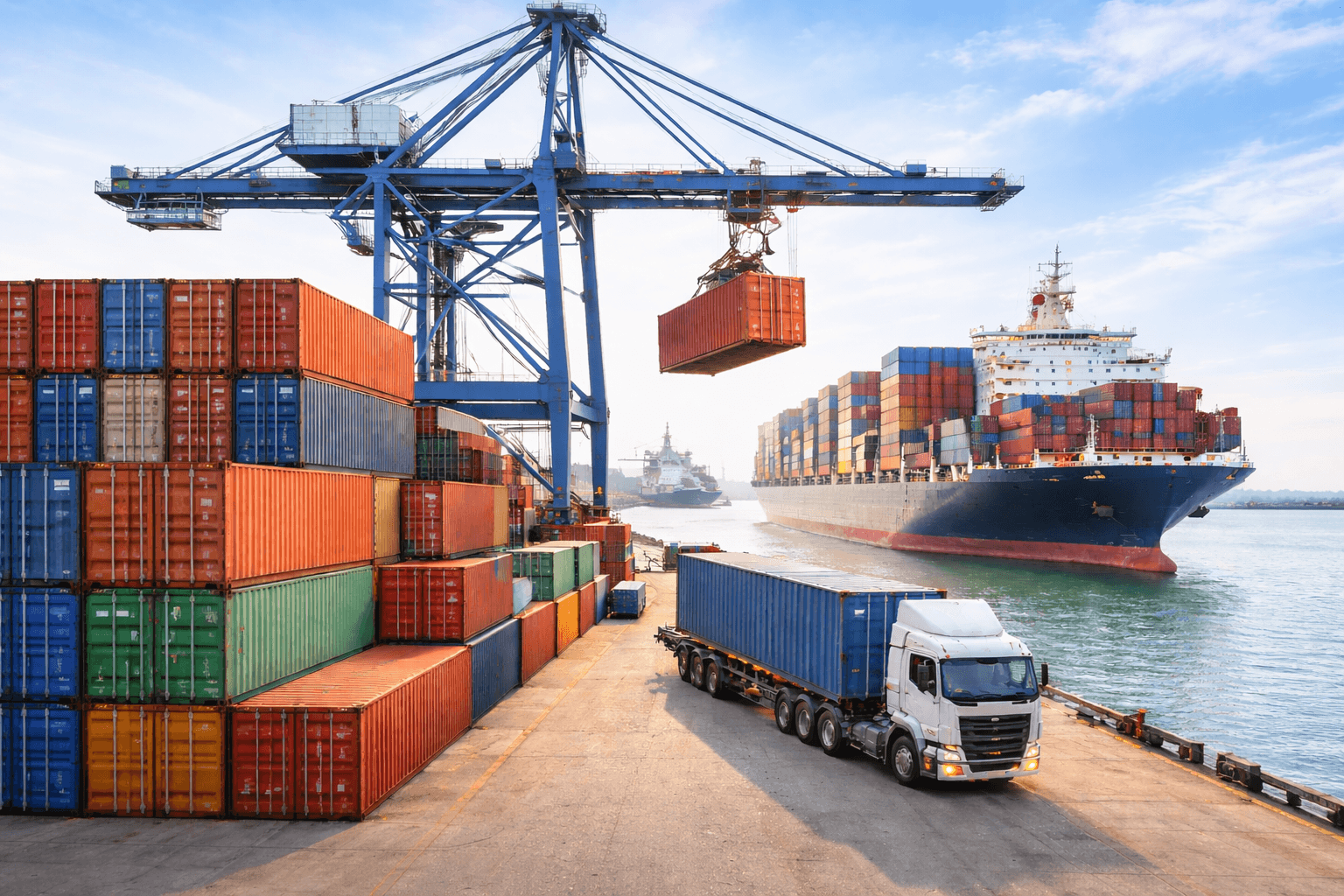
UK to Overseas Container Shipping Mistakes: You Need to Know
Ascope Shipping provides guidance to businesses and individuals planning UK to overseas container shipping, helping them avoid the common errors that lead to delays, fines, and unexpected costs. Whether you are shipping commercial cargo, personal effects, or vehicles, understanding these mistakes before you book can save you both time and money, and can make the difference between a smooth delivery and a shipment stuck at port.
If you are looking for our full container shipping service details, including FCL and LCL options, visit our container shipping page. For a complete list of destinations we cover, see our container shipping destinations hub.
Understanding FCL and LCL Before You Book
Getting UK to overseas container shipping right starts with choosing the correct container type. Two methods are commonly used, and picking the wrong one is often the first mistake shippers make.
FCL (Full Container Load)
FCL is best suited for large shipments, where one shipper uses the entire container. This method offers better security since your goods are not mixed with anyone else’s cargo, and it typically means a faster transit time because there is no need to wait for the container to be consolidated with other shipments before departure.
LCL (Less than Container Load)
LCL works well for smaller shipments, where multiple shippers share space within one container. It is cost-effective because you only pay for the space you use, though consolidation at the origin and destination port can sometimes extend transit time compared to a direct FCL move.
Choosing the wrong option for your shipment volume is one of the most common and costly mistakes in UK to overseas container shipping. Paying for a full container when your goods only fill a quarter of the space wastes money, while trying to force a large shipment into a shared LCL slot can cause delays and handling complications. For a detailed breakdown, read our guide on FCL vs LCL and our comparison of 20ft vs 40ft containers.
Common Mistakes in UK to Overseas Container Shipping
1. Incomplete or Incorrect Documentation
Missing paperwork is one of the most frequent causes of delay in UK to overseas container shipping. Required documents typically include the Bill of Lading, commercial invoice, packing list, and any relevant export or import permits depending on the destination country. Errors here can lead to customs holds, unexpected fines, or cargo being stuck at the port while corrections are made. Our guide on why a Bill of Lading is important explains this document and its role in more depth.
2. Ignoring Customs Regulations
Every destination country has its own import rules, duty rates, and restricted item lists. Misclassifying goods, underestimating duties, or missing a required permit can cause serious setbacks once your container arrives. It is worth reviewing official guidance such as the UK government’s export goods checklist before shipping, alongside our own page on UK customs clearance for exporters, which covers what UK exporters need to prepare in advance.
3. Overlooking Additional Costs
Container shipping costs are not limited to the base freight rate. Port handling fees, demurrage charges if a container sits too long before collection, and documentation fees can all add up quickly. Always ask for a full cost breakdown before booking your UK to overseas container shipping, since exact rates depend on destination, container size, and cargo type. Our shipping prices page lists current rates by destination where fixed pricing is available, and our team can confirm exact figures on enquiry for routes priced individually.
4. Poor Cargo Packaging
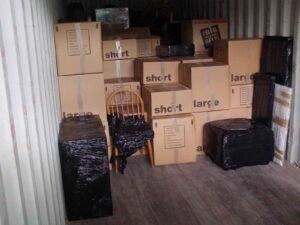
Improperly packed goods are far more vulnerable to damage on long international routes, particularly where a container may be loaded and unloaded several times before reaching its final destination. Use sturdy packing materials, secure fragile items separately, and label everything clearly with handling instructions. This also matters for insurance purposes, since poorly packed cargo can complicate a claim if damage occurs in transit.
5. Skipping Cargo Insurance
Shipping without insurance is a risk many people underestimate until something goes wrong. Weather events, handling accidents at port, and unforeseen delays can all affect the condition of your cargo. Always insure your shipment for its full value before it leaves the UK, rather than relying on a shipping line’s limited liability cover. See our marine cargo insurance page for more detail on how coverage works.
6. Not Planning for Transit Time
Ignoring realistic transit times can throw off supply chains, inventory planning, and delivery expectations for the person receiving the shipment. Direct routes are generally faster than transshipment routes that call at multiple ports, and seasonal port congestion can add further delay during busy periods of the year. Our shipping schedules page can help you plan around expected sailing and arrival dates.
7. Choosing an Inexperienced Provider
Working with a provider who lacks a track record in UK to overseas container shipping increases the risk of delays, poor communication, and mishandled cargo. Check reviews, ask about experience with your specific destination, and confirm they understand the documentation requirements for that country before booking.
8. Skipping the Loading and Unloading Checklist
Cargo that is loaded incorrectly can shift during transit, causing damage to goods or wasted space that pushes up your cost. Weight distribution, securing methods, and the order in which items are loaded all matter more than most first time shippers expect. Our container loading services and container unloading services pages outline what proper handling looks like at both ends of the journey.
How to Avoid These Mistakes
- Double check all documentation before it is submitted to customs
- Choose the correct container type and size for your shipment volume
- Request a transparent cost breakdown that includes all port and handling fees
- Insure high value shipments for their full worth, not just the shipping line’s minimum cover
- Plan around realistic transit times, especially during peak season
- Work with an experienced, reviewed shipping provider familiar with your destination
For more ways to manage costs on your shipment, see our cost saving tips for container shipping.
Why Careful Planning Matters
Getting UK to overseas container shipping right the first time avoids the knock-on effects of delay: missed delivery windows, additional storage charges at the destination port, and a frustrated recipient waiting on the other end. Most of the mistakes covered above come down to preparation rather than bad luck. A short call with an experienced provider before booking can catch issues that would otherwise only surface once the container has already left the UK, when options for fixing them are far more limited.
Frequently Asked Questions
How much does UK to overseas container shipping cost?
Costs vary by destination, container size, and cargo type. Some routes have fixed rates while others are quote based, depending on current capacity. Check our shipping prices page or contact us directly for an accurate figure for your route.
What is the difference between FCL and LCL?
FCL means one shipper uses the whole container, offering faster transit and more security. LCL means space is shared with other shippers, which is more cost-effective for smaller loads but can take longer due to consolidation.
What documents do I need for container shipping?
You will typically need a Bill of Lading, commercial invoice, packing list, and any export or import permits required by the destination country’s customs authority.
Can hidden fees affect my shipping cost?
Yes. Port handling, demurrage, and documentation fees can all add to the base rate. Always request a full breakdown before you book your UK to overseas container shipping.
How can I avoid delays in UK to overseas container shipping?
Prepare documentation early, choose the right container type, plan around realistic transit times, and work with an experienced provider familiar with your destination country.
Do I need insurance for container shipping?
It is strongly recommended. Cargo insurance protects against damage, loss, or delay-related costs that can occur during international transit, and covers far more than the shipping line’s standard liability terms.
Ship With Ascope Shipping
Ascope Shipping helps businesses and individuals plan UK to overseas container shipping with clear, practical guidance on documentation, customs clearance, and cost from the very first enquiry. Whether you are shipping vehicles, commercial goods, or personal effects, our team walks you through each step of the process, from choosing between FCL and LCL to booking, loading, and final delivery at the destination. We keep you informed at every stage, so there are no surprises once your container has left the UK. For destination-specific pricing and transit times, get in touch with our team directly.
Call 01482 228366 or email sales@ascopeshipping.co.uk to speak with our team.