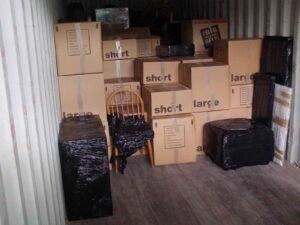

You’ve packed your container. You’ve booked your sailing. And then someone tells you that half of what you planned to ship isn’t allowed. It happens more often than you’d think. And when it does at the port gate, during a customs inspection, or at the destination, the consequences range from delayed shipments and seized cargo to serious financial penalties.
Understanding the prohibited and restricted items shipping rules from the UK before you book is not optional. It’s the single most important step in any international shipping process.
Ascope Shipping has been advising customers on international shipping restrictions for over 15 years. We handle container shipping, RoRo shipping, cargo shipping from the UK, groupage shipping, and international removals and on every single shipment, compliance with UK customs export rules comes first.
Prohibited vs Restricted Items
Before anything else, you need to understand the distinction between the two categories of prohibited and restricted items shipping. Most people confuse them, and that confusion leads to costly mistakes.
What Are Prohibited Items?
Banned items for international shipping from the UK are goods that cannot be exported under any circumstances. No licence, no permit, no special arrangement will make them legal to ship. If they’re found at a UK port, they will be seized. The consequences are fines, prosecution, criminal record for the shipper.
What Are Restricted Items?
Restricted items for international shipping from the UK are goods that can be shipped, but only with the correct documentation, licence, or permit in place. Ship them without the right paperwork and they become prohibited. Get the paperwork right and they move without issue.
The difference between prohibited and restricted item shipping comes down to one question: Is there any legal route to ship this item? Prohibited: no. Restricted: yes, with the right authorisation. Getting this distinction right from the start is what separates a smooth export from a seized container.
Ascope Shipping advises customers on prohibited and restricted items shipping on every booking. If you’re unsure which category your goods fall into, ask us before you pack.
Items Completely Banned from International Shipping from the UK
These are the items completely banned from international shipping from the UK, goods that cannot leave the country legally under any circumstances.
Illegal Drugs and Controlled Substances
Controlled drugs under the UK Misuse of Drugs Act are absolutely prohibited from export. This includes class A, B, and C substances. No licence permits their international shipping. Any shipment found to contain controlled substances at a UK port will be seized immediately and the shipper faces criminal prosecution.
Offensive Weapons
Flick knives, gravity knives, knuckle dusters, push daggers, hollow kubotans, and disguised bladed weapons are banned from export. Pepper spray and CS gas, routinely carried in many countries, are classified as prohibited weapons under UK law and cannot be shipped internationally.
Counterfeit and Pirated Goods
Shipping fake branded goods is illegal under UK intellectual property law. Counterfeit goods for international shipping, replica designer items, fake electronics, and pirated media will be seized at the border and the shipper faces prosecution and civil liability.
Endangered Species and Protected Wildlife Products
Under CITES (Convention on International Trade in Endangered Species), you cannot export ivory, rhino horn, tiger bone, most reptile skins, or products made from protected species, antique or otherwise, without specific CITES certification. In most cases, the export of these items is simply banned. This includes certain coral, orchids, and timber species.
Child Abuse Material and Obscene Content
Absolutely prohibited. No exceptions.
Rough Diamonds Without Kimberley Process Certification
Uncut diamonds cannot be exported from the UK without Kimberley Process certification, which exists to prevent trade in conflict diamonds. Diamonds without this documentation are completely banned from export.
Restricted Items That Require Licences or Special Handling
These goods can be shipped internationally from the UK. But only with the correct authorisation in place first.
Firearms, Ammunition, and Weapons
Under HMRC export control and the Export Control Order 2008, exporting firearms, gun parts, ammunition, and explosives requires an export licence from the Export Control Joint Unit (ECJU). This applies to deactivated firearms, component parts, and realistic replicas, not just working weapons.
If you’re shipping sporting firearms, antique weapons, or deactivated items, you need to verify your ECJU licence requirements before booking. Ascope Shipping can advise on the documentation pathway.
Medicines and Pharmaceuticals
Can you ship medicines internationally from the UK?
Yes, but with conditions. Prescription medicines, controlled pharmaceuticals, and certain over-the-counter drugs require export licences or specific documentation depending on the destination country. Some destinations, particularly across Africa and the Middle East, have strict import controls on pharmaceuticals. Always check destination-specific rules and ensure your shipment is accompanied by the correct documentation.
Alcohol
Can you ship alcohol internationally from the UK?
Yes, alcohol can be exported from the UK, but it requires compliance with HMRC excise duty regulations and, for commercial shipments, registration under the Alcohol Wholesaler Registration Scheme (AWRS). Destination countries often impose their own import restrictions on alcohol, particularly in countries with partial or total prohibition. Always check the destination country’s import rules before shipping alcohol.
Electronics and Electrical Goods
Can you ship electronics internationally from the UK?
Yes, electronics are generally shippable, but they must comply with UK Conformity Assessed (UKCA) marking requirements and Restriction of Hazardous Substances (RoHS) standards. Used electronics and second-hand electrical goods are increasingly subject to scrutiny at destination customs, particularly in West Africa. Always include accurate descriptions and values on your customs packing list.
Lithium Batteries
Can you ship lithium batteries internationally from the UK?
Yes, but lithium batteries are classified as dangerous goods under IMDG maritime regulations. Devices containing lithium-ion batteries must comply with IMDG dangerous goods packing instructions, including charge state limitations, packaging requirements, and dangerous goods declarations. This applies to phones, laptops, power tools, and EVs shipped inside containers.
Ascope Shipping handles dangerous goods declarations for lithium battery shipments as part of our container and cargo booking process.
Perfume and Aerosols
Can you ship perfume internationally from the UK?
Perfume and fragrance products contain flammable alcohol, which classifies them as flammable liquids under IMDG dangerous goods regulations. Small quantities in passenger baggage are one thing; commercial quantities in a shipping container require a proper dangerous goods declaration and compliant packaging.
Can you ship aerosols internationally from the UK?
Aerosols are classified as Class 2 dangerous goods (compressed gas/flammable). They require specific IMDG-compliant packaging, quantity limits, and dangerous goods documentation for sea freight shipments.
Plants, Seeds, and Agricultural Products
Can you ship plants internationally from the UK?
Live plants, seeds, bulbs, and cut flowers require a phytosanitary certificate issued by the Animal and Plant Health Agency (APHA) before export. Many countries impose strict biosecurity requirements on plant matter. Australia and New Zealand are particularly rigorous. Failure to declare plant material can result in the entire container being fumigated at the shipper’s cost.
Cash and Currency
Can you ship cash internationally from the UK?
Shipping physical cash is heavily restricted. Under the Proceeds of Crime Act 2002, cash movements are subject to scrutiny. Most carriers prohibit shipping currency entirely. For cross-border movements above £10,000, declaration requirements apply. Ascope Shipping advises customers not to include cash or negotiable instruments in any shipment.
Antiques and Cultural Property
Can you ship antiques internationally from the UK?
Antiques over 50 years old valued above certain thresholds may require an export licence under the Export Control (Cultural Property) Regulations. Items of national cultural significance may be subject to export restrictions regardless of age or value. Always check HMRC guidance before shipping high-value antiques internationally.
Commonly Shipped Items — What You Can Ship From the UK
Here’s what Ascope Shipping ships internationally from the UK every single week. Items that are permitted in container shipping, RoRo shipping, and groupage shipments:
Vehicles and Vehicle Spare Parts
Cars, vans, trucks, motorcycles, caravans, motorhomes, and commercial vehicles are all permitted exports from the UK with the correct documentation (V5C, export declaration, Bill of Lading).
Can I ship car parts internationally from the UK?
Yes, vehicle spare parts and components are shippable with accurate commercial invoices and HS codes. Specific parts containing fluids must be drained and sealed in compliance with IMDG maritime regulations.
Household Goods and Personal Effects
Household goods international shipping via container is one of the most common uses of international removals services from the UK. Furniture, clothing, kitchenware, books, electrical appliances (compliant with UKCA), bedding, and personal effects are all permitted. The key requirements are accurate packing lists and HMRC export declarations.
Used Clothing and Textiles
Used clothing shipping from the UK overseas is entirely permitted and is a significant trade flow from the UK to Africa, the Caribbean, and South Asia. Commercial shipments require accurate commodity codes and values on the commercial invoice.
Commercial Goods and Stock
General commercial cargo electronics (compliant), machinery, building materials, food products (non-animal origin, with correct certification), tools, and industrial equipment can all be shipped from UK ports via container or groupage services.
Destination-Specific Restrictions
International shipping restrictions don’t end at the UK border. Every destination country has its own import rules and what’s permitted in the UK may be banned at the destination.
UK to Africa Shipping — What Items Are Allowed?
UK to Nigeria what items can be shipped: Nigeria requires pre-shipment inspection (SON/NAFDAC certification) for many consumer goods. Used electronics face restrictions. Vehicles require NAFDAC and SON documentation. UK to Ghana what cannot be shipped overseas includes expired goods, counterfeit items, and certain used electronics above age thresholds.
UK to Africa shipping broadly allows vehicles, spare parts, household goods, clothing, and commercial cargo. Still, pre-shipment inspection certificates are required for many goods going to Nigeria, Ghana, Kenya, and Tanzania.
UK to Jamaica Shipping — Restricted Items
UK to Jamaica shipping restricted items include firearms and ammunition (strict import controls), certain agricultural products, and any goods subject to Jamaican import licensing requirements. Vehicles and household goods are permitted with correct documentation.
What Happens If Prohibited Goods Are Found at a UK Port?
This is the question nobody wants to answer, but everyone should know.
If prohibited goods are found at a UK port during customs inspection, the goods are seized immediately. The shipper faces HMRC investigation, potential prosecution, and financial penalties. For dangerous goods violations, the liability is unlimited. For controlled substances or weapons, prosecution under criminal law follows.
For restricted goods shipped without the correct licences, the goods are held pending investigation. If the correct documentation cannot be provided, the goods are seized or returned at the shipper’s cost. Port storage charges accumulate rapidly, often £100 to £300 per day per container.
The message is simple: declare accurately, ship compliantly, and ask your shipping agent before you pack anything you’re unsure about.
How Ascope Shipping Keeps Your Shipment Compliant
Over 15 years, Ascope Shipping has helped thousands of customers navigate prohibited and restricted items shipping, UK customs export rules, HMRC export restrictions, and destination import requirements. We handle container shipping, RoRo shipping, cargo shipping from the UK, and groupage shipping to Africa, the Middle East, the Caribbean, the Americas, Oceania, and Europe.
Our team reviews every booking for compliance before your goods reach the port. We flag potential prohibited or restricted items before they become a problem. We prepare and submit HMRC export declarations, handle dangerous goods documentation, and work with destination agents to ensure smooth customs clearance at arrival.
Frequently Asked Questions
What items are banned from international shipping from the UK?
Completely banned items include controlled drugs, offensive weapons (flick knives, pepper spray), counterfeit goods, endangered species products, child abuse material, and rough diamonds without Kimberley Process certification. These cannot be shipped under any circumstances. No licence or permit changes that.
Can you legally send medicines abroad from the UK?
Yes, but most prescription medicines and controlled pharmaceuticals require export licences or specific documentation. Destination countries impose their own import controls on medicines. Always verify both UK export requirements and destination import rules before shipping any pharmaceutical goods internationally.
What is the difference between prohibited and restricted items in shipping?
Prohibited items are completely banned from export. No licence makes them legal to ship. Restricted items can be exported legally but require specific licences, permits, or documentation first. Shipping restricted items without the correct authorisation effectively makes them prohibited, with the same consequences at the port.
What happens if prohibited goods are found at a UK port?
Goods are seized immediately. The shipper faces HMRC investigation, financial penalties, and potential criminal prosecution. For dangerous goods violations, liability is unlimited. For weapons or drugs, criminal charges follow. Port storage charges also accumulate during any hold period at the shipper’s cost.
Can I ship car parts internationally from the UK?
Yes, vehicle spare parts and components are permitted exports from the UK with accurate commercial invoices, correct HS commodity codes, and HMRC export declarations. Parts containing fluids must be drained and sealed in compliance with IMDG maritime dangerous goods regulations before loading into containers.
What documents do I need to ship restricted items from the UK?
Requirements vary by item and destination, but typically include: an HMRC export declaration, commercial invoice with accurate HS codes, a packing list, and any specific export licence from the Export Control Joint Unit (ECJU). Dangerous goods require an IMDG-compliant dangerous goods declaration. Your shipping agent should guide you through the full documentation requirements.